Table of Contents
The 70/30 rule.
Biophilic interior design is the intentional application of nature to built spaces - not as decoration but as a measurable design principle. Biologist E.O. Wilson documented the human nervous system's biologically encoded affinity for natural environments, and the research that followed has consistently shown the same result: rooms with natural elements, living plants, and organic textures produce lower cortisol, improved mood, and faster stress recovery than rooms without them. The Living Future Institute defines this as one of the most evidence-based wellness strategies in architecture. The 70/30 rule operationalizes it: 70% neutral base, 30% living natural material.
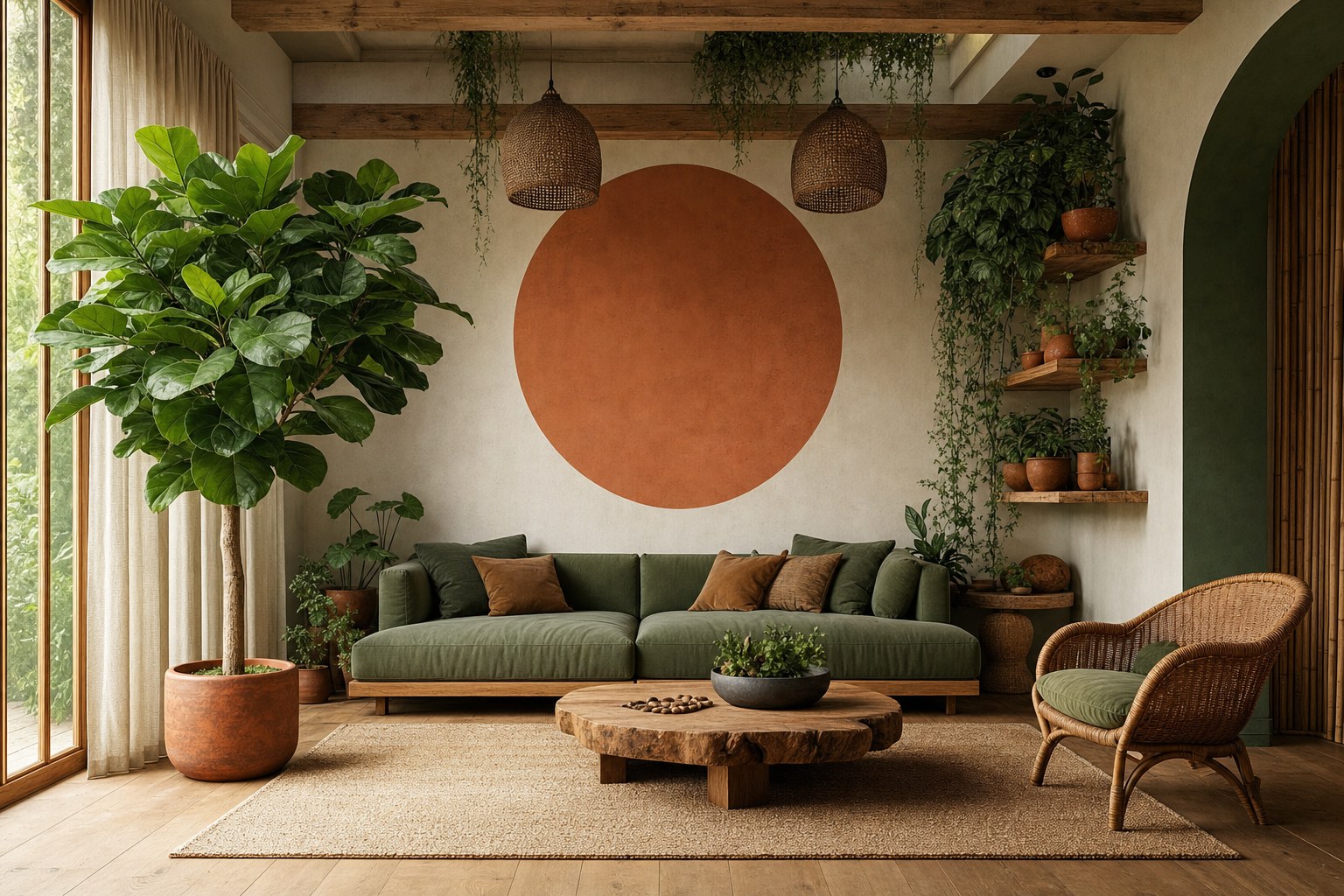
The threshold matters. Below 25% natural surface coverage - one plant on a shelf, a jute rug under a synthetic sofa - the brain does not register the space as nature-adjacent. The parasympathetic nervous system response the research documents requires enough natural pattern and texture in the visual field to trigger it. The 70/30 rule creates that coverage systematically: a warm cream base on walls and primary upholstery, then rattan furniture, jute rugs, terracotta vessels, living plants, natural wood grain, and linen textiles filling the 30% threshold. That is the point where the room crosses from decorated to genuinely biophilic. Where the comment stops being "nice plants" and becomes "your apartment looks like a sanctuary."
The style's most common failure mode is not bad taste. It is undershooting. A single monstera on an otherwise synthetic IKEA apartment does not meet the threshold. Five thriving plants, a jute area rug, a rattan chair, linen curtains, and terracotta pots - that room hits 30% and the nervous system registers it. The five elements below are the scaffold for building to that threshold, starting from the element with the largest impact and working down to the sensory details that cross the line from functional to complete.
The Living Plant Layer · $224.96
The living plant layer is the non-negotiable core of biophilic interior design. Every credentialed source in this research - from HouseDesigner.com's 2025 guide to the biophilicproducts.org multisensory framework - identifies living plants as the single most biophilic intervention available. The reason is specific: living plants engage multiple sensory channels simultaneously. The visual texture of leaf form and color variation, the air quality improvement from photosynthesis and transpiration, the very faint humidity increase that shifts thermal comfort - all of these are measurable biophilic stimuli. Faux plants engage none of them. The plant choice, critically, should be driven by your light conditions first and your aesthetic preferences second. A thriving snake plant in a dark corner is more biophilic than a dead fiddle leaf fig in a bright window. The receipt below is structured around a three-plant core: one statement plant (fiddle leaf fig for bright rooms; monstera for medium-light rooms), one reliable filler plant (peace lily or pothos), and one very-easy backup (snake plant) for the spaces where the other two would struggle. The rattan plant stand elevates the statement plant to architectural height - a plant on the floor reads as decoration; a plant at eye level reads as architecture.
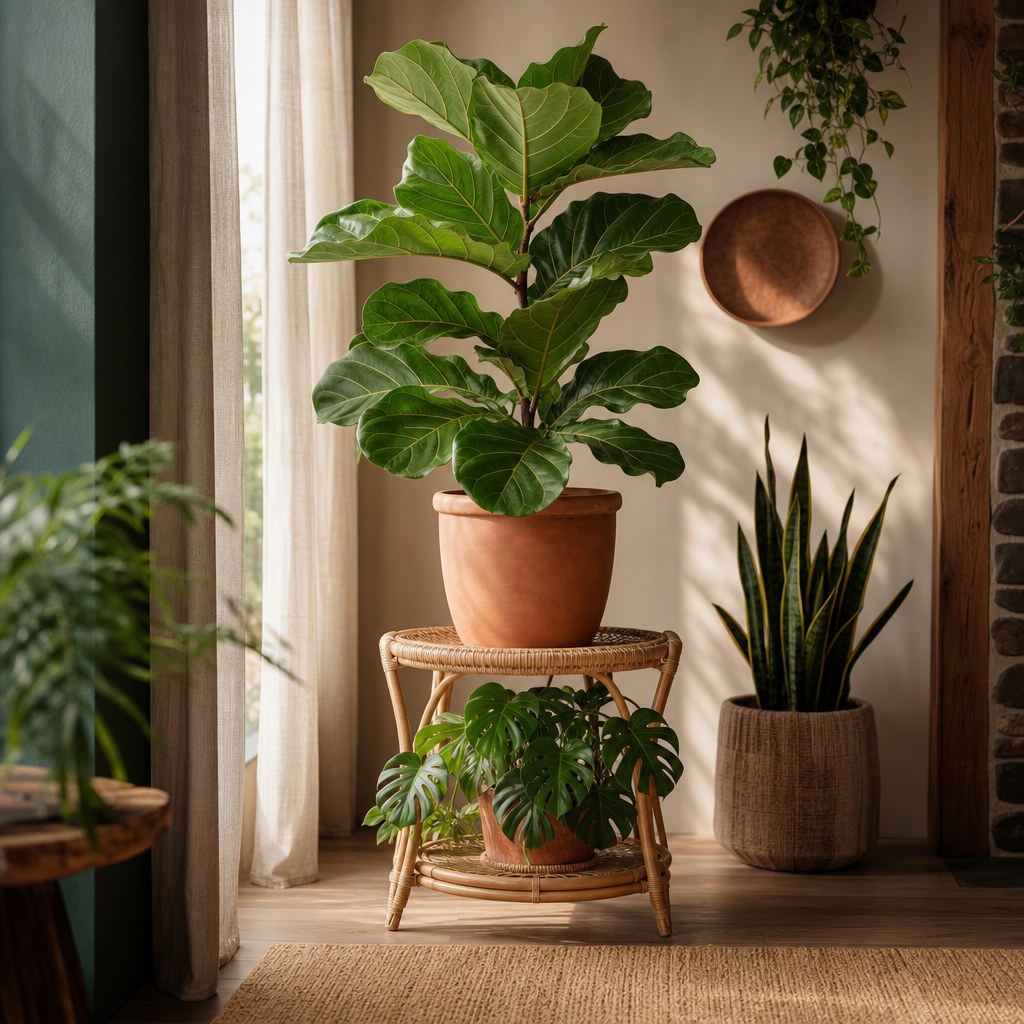
E1 Receipt - The Living Plant Layer
Natural Material Foundation · $309.97
The natural material foundation is the structural layer of the biophilic 30% - the surfaces that carry natural texture at room scale before plants or accent objects are added. Thermory's biophilic design framework identifies this as Environmental Features: the physical materials of the space itself. Rattan and jute are the two most accessible and highest-impact materials in this category. Rattan has the critical property of visual texture at medium distance: its woven pattern reads as natural at the scale of a room chair or pendant light, contributing significantly to the 70/30 surface calculation. Jute and seagrass braided area rugs cover the largest continuous surface in a room - the floor - with natural fiber texture. A single 8x10 jute rug shifts a room's natural surface ratio by approximately 15 percentage points. Combined with a rattan accent chair, the natural material foundation alone brings a room to the 20-25% threshold before any plants or textiles are added. The decorative seagrass baskets serve double function: natural fiber texture contribution and practical storage, which is critical in small apartments where surface clutter would undermine the calm the biophilic design is intended to create.
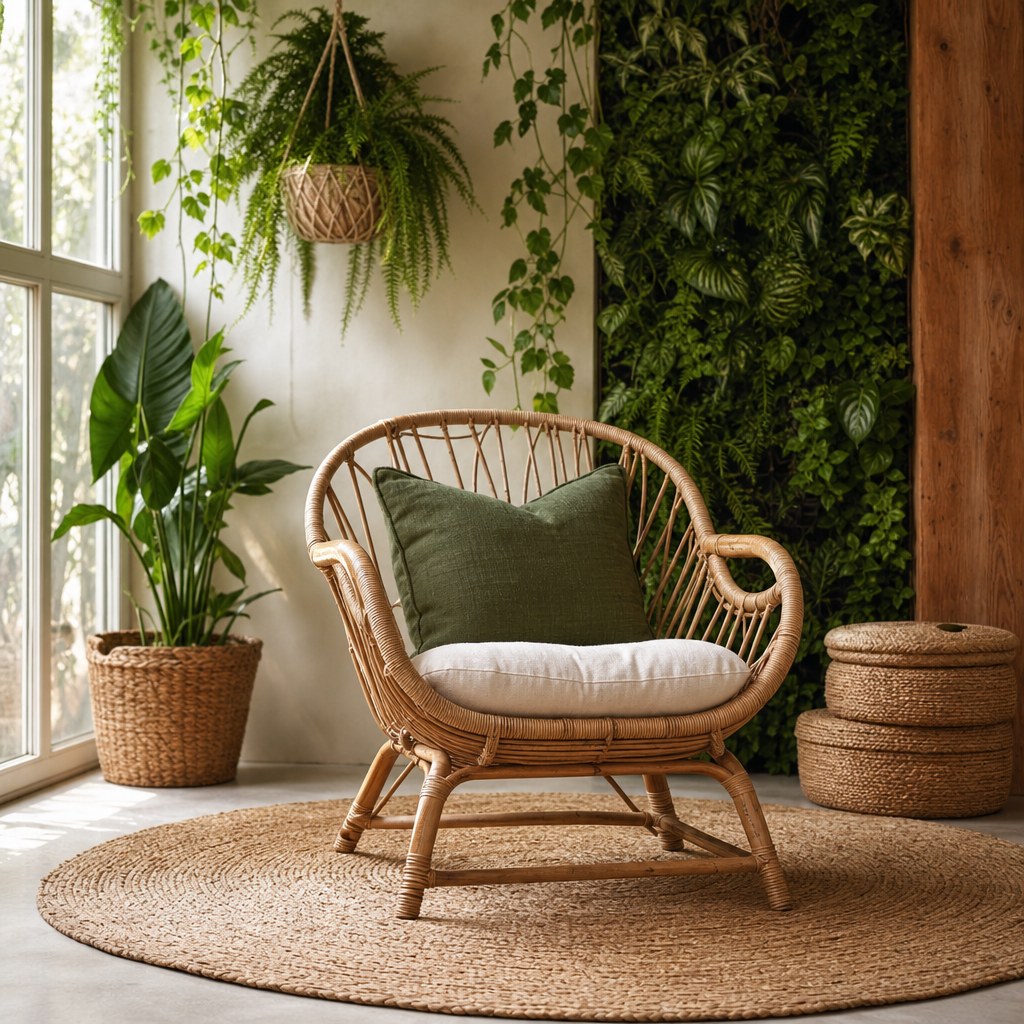
E2 Receipt - Natural Material Foundation
Organic Textile Layer · $159.96
The organic textile layer addresses the touch and thermal dimensions of biophilic design - two of the five sensory channels the research identifies as essential. The biophilicproducts.org multisensory framework is explicit: "mix smooth and rough materials; incorporate natural fabrics (wool, linen, cotton)." The distinction between tactile texture and visual texture matters here. Tactile texture is the physical sensation of surface contact - the coarse grain of natural linen versus the smooth slide of synthetic polyester. Visual texture is the perceived pattern of a surface at medium distance - the irregular weave of a chunky cotton throw versus the uniform surface of a fleece blanket. Biophilic design requires both: linen curtain panels contribute visual texture at window scale (the irregular natural fiber weave that reads as organic from across the room), while a chunky knit cotton throw provides tactile texture at the sofa scale. Both are natural fibers, both contribute to the 30% natural surface calculation, and both reinforce the thermal dimension by breathable insulating in ways that synthetic fabrics do not. The botanical pillow covers in the receipt serve the secondary function of botanical motif introduction - an organic leaf print at cushion scale is one of the safest pattern choices in biophilic design because it references nature directly without relying on a single manufactured symbol.
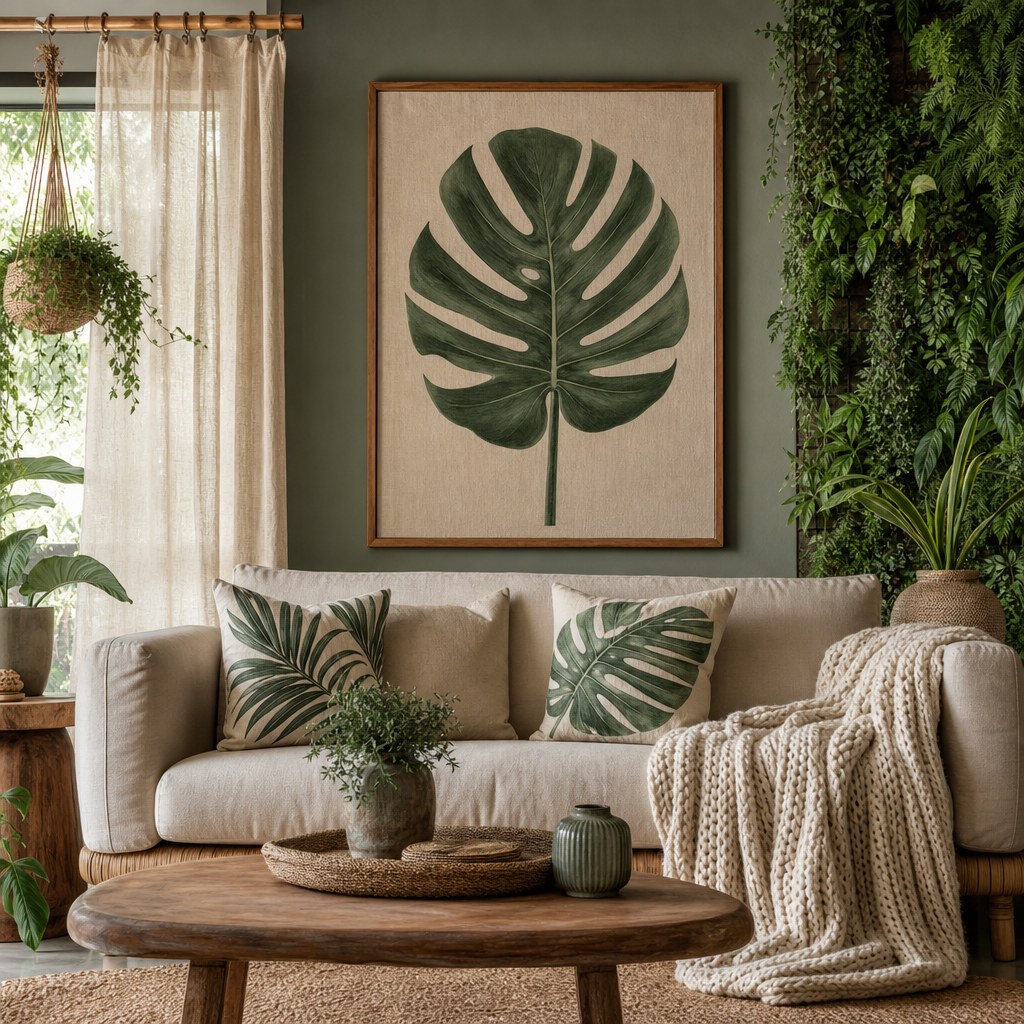
E3 Receipt - Organic Textile Layer
Biomorphic Lighting · $199.97
Biomorphic lighting addresses two of Thermory's six biophilic design elements simultaneously: Light and Space, and Natural Shapes and Forms. The term biomorphic refers specifically to lighting fixtures whose forms derive from organic or natural shapes - the woven rattan globe pendant that mimics the form of a seed pod or bird's nest, the bamboo table lamp whose geometry follows the internode spacing of a real bamboo culm, the ceramic mushroom base lamp whose curve is entirely botanical in inspiration. These fixtures contribute to the biophilic surface calculation (rattan and bamboo are natural materials) while also fulfilling the "natural shapes resist right angles" principle that Thermory identifies as the second element of biophilic design. The light quality produced is as important as the material. Biophilicproducts.org cites research on circadian rhythm regulation: warm-spectrum light (2700K-3000K) at residential scale mimics the quality of late afternoon light filtering through leaves. Cool white or daylight-spectrum bulbs fight the organic warmth of a biophilic room in the same way they fight a coastal or Japandi room. The warm Edison bulb recommendation in the receipt is not aesthetic preference - it is the closest residential equivalent to the dappled light quality the nervous system associates with a forest canopy.
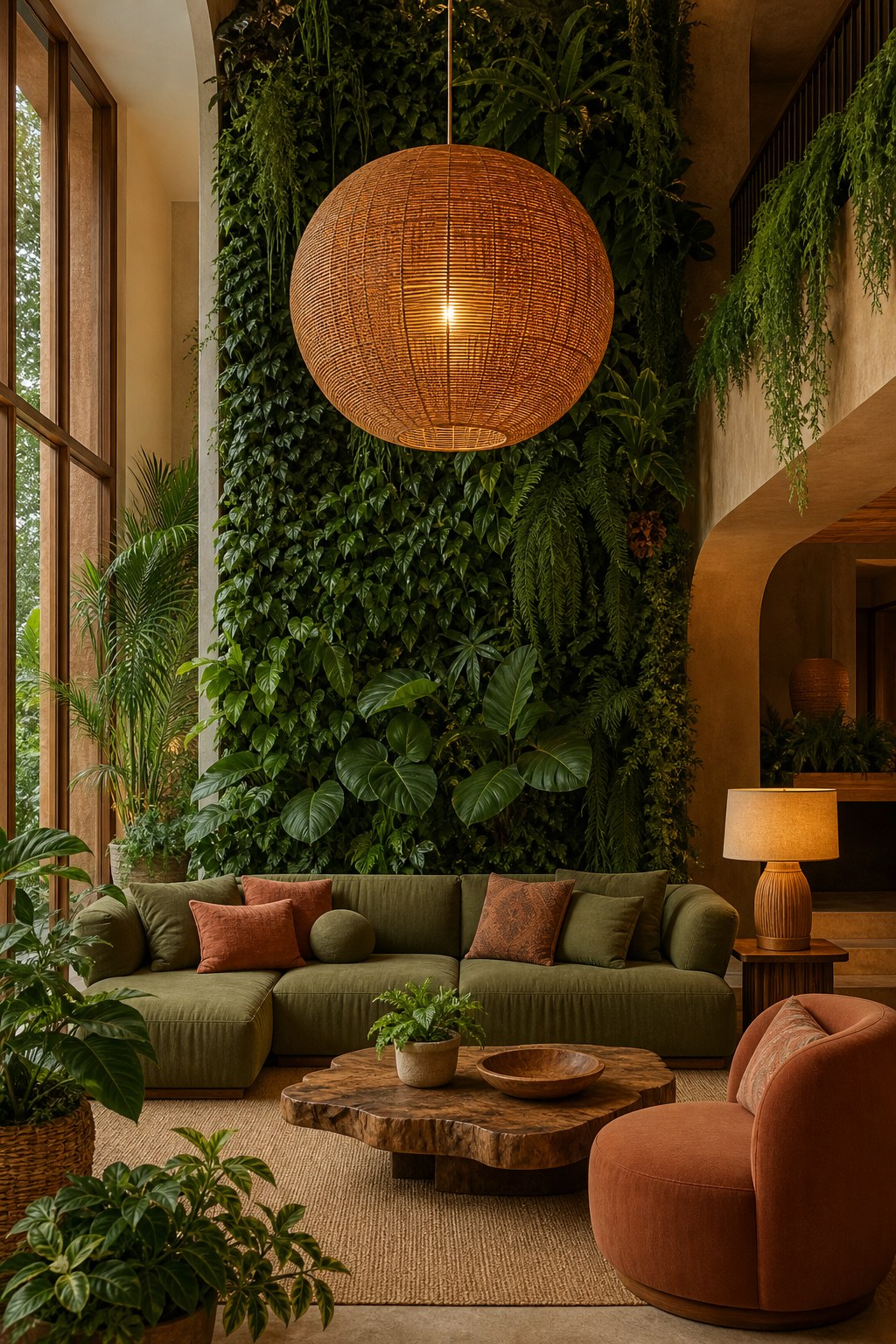
E4 Receipt - Biomorphic Lighting
The Sensory Anchor · $129.96
The sensory anchor completes the five-sensory biophilic circuit that the previous four elements partially establish. Elements 1-4 address vision (plant form, natural material texture, organic light quality) and touch (linen, cotton, rattan grain). The sensory anchor addresses the remaining three channels. Sound: biophilicproducts.org cites research showing that water sounds produced the largest improvement in health and positive affect of any sensory biophilic intervention tested in controlled conditions. A tabletop water feature - even a small, silent-pump fountain - introduces the sound channel. Scent: the same research identifies rosemary as enhancing focus and cognitive performance; hinoki cypress and cedarwood oil as promoting relaxation. A diffuser with cedar or pine oil engages the olfactory system in a way no visual design element can. The aromatic herb planter (rosemary or mint in a terracotta pot on the windowsill) introduces both the scent dimension and a plant that occupies the kitchen or desk zone rather than the living room, extending biophilic coverage across multiple rooms. The cedar wood object - a small decorative bowl or carved piece - contributes both tactile texture and aromatic scent that builds and releases slowly over months, providing the layered nature sensory experience the research considers optimal for long-term wellbeing.
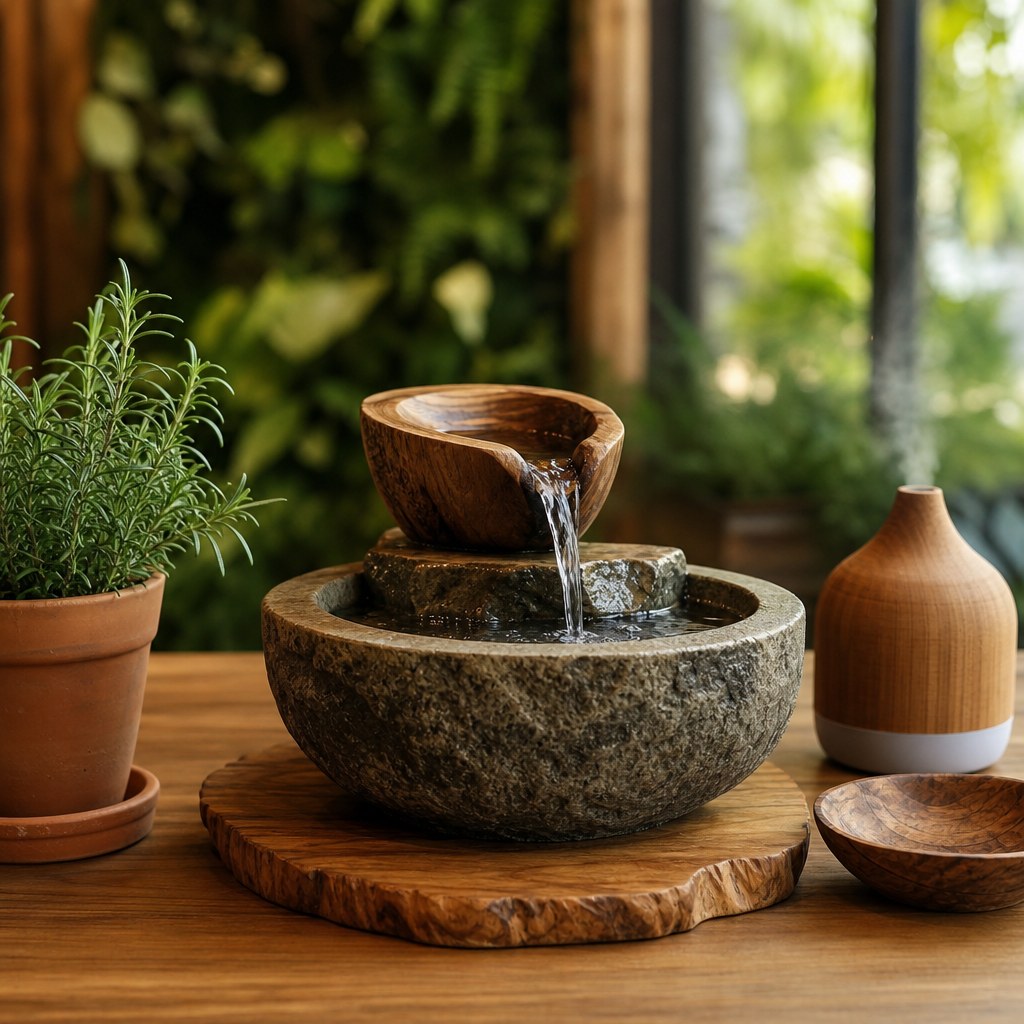
E5 Receipt - The Sensory Anchor
Biophilic vs. Organic Modern.
These two styles share significant visual territory -- both prioritize natural materials, organic shapes, and earthy color palettes. The distinction is motivational: biophilic design is grounded in the wellness research, organic modern is grounded in aesthetic preference. A room can be organic modern without being biophilic. A room cannot be biophilic without living plants and sensory nature stimuli, regardless of how many natural materials it contains.
| Dimension | Biophilic Interior Design | Organic Modern |
|---|---|---|
| Primary motivation | Wellness research -- measurable physiological benefit from nature connection | Aesthetic preference -- organic shapes, earthy tones, natural warmth as visual language |
| Living plants | Non-negotiable -- required for the air quality and multisensory response the research measures | Optional -- organic modern rooms often use dried botanicals, sculptural vessels, or no plants at all |
| Sensory design | Deliberately multisensory -- scent, sound, touch, light, and thermal are all design channels | Primarily visual -- organic shapes and material warmth are aesthetic decisions, not sensory frameworks |
| Color palette | Warm neutrals + botanical greens + terracotta (70/30 base/natural split) | Warm neutrals + sand tones + muted accents; less botanical green, more warm taupe and clay |
| Material logic | Natural materials chosen for sensory properties (rattan texture, linen breathability, wood scent) | Natural materials chosen for visual warmth and silhouette (curved wood sofa base, fluted plaster) |
| The 70/30 rule | Operational threshold -- 30% natural/living surface coverage triggers the documented wellness response | Not a design constraint -- organic modern rooms may have 5% or 95% natural material coverage |
The $229 entry path.
A room-scale biophilic shift for under $230. Reaches approximately 20% natural surface coverage -- close to the 30% threshold, and a complete improvement over a synthetic baseline.
Frequently asked questions.
What is biophilic interior design?
Biophilic interior design is the intentional integration of natural elements, materials, light, and sensory stimuli into residential spaces to recreate the psychological benefits of nature connection. The term derives from biologist E.O. Wilson's research on humanity's biologically encoded affinity for natural environments. In practice, biophilic design means applying the 70/30 rule: 70% warm neutral base (cream walls, undyed upholstery, warm wood floors), 30% living natural material (plants, rattan, jute, terracotta, linen, wood grain). When a room reaches the 30% natural surface threshold, the parasympathetic nervous system responds - studies consistently document lower cortisol, improved mood, and faster stress recovery. The key distinction: biophilic design is not decorating with plants. A room with a single monstera on a synthetic IKEA shelf has not crossed the threshold. A room with three plants, a jute rug, a rattan chair, linen curtains, and a biomorphic rattan pendant has.
What is the 70/30 rule in interior design?
The 70/30 rule in interior design states that 70% of a room's surface area should carry the dominant or base treatment, and 30% should carry accent or natural materials. In biophilic design, this 30% is specifically reserved for living and natural elements: indoor plants, rattan furniture, jute rugs, terracotta vessels, natural wood grain, moss panels, linen textiles, and organic ceramic objects. The 70% neutral base - cream walls, warm white trim, undyed upholstery - exists to make the natural 30% visible and effective. The sensory research behind the rule: the parasympathetic response to nature is triggered when natural patterns and textures reach approximately 25-35% of the visual field. Below that threshold, the brain does not register the space as nature-adjacent. The 70/30 rule is the practical tool for achieving and maintaining that threshold without tipping into visual complexity that reads as overwhelming rather than calming.
What plants work best for biophilic interior design?
Match plant to light first, aesthetics second. For low-light apartments: snake plant (Sansevieria, $10-25, thrives on neglect), ZZ plant ($15-30, near indestructible), pothos ($8-20, trails naturally). For medium indirect light: peace lily ($15-35, air-purifying, elegant white blooms), monstera deliciosa ($40-80, architectural statement), areca palm ($30-60, lush fullness). For bright windows: fiddle leaf fig ($35-85, maximum drama), bird of paradise ($40-120), rubber tree ($25-60, bold). For zero watering: preserved moss panels ($45-120), air plants on driftwood ($20-40), kokedama moss balls ($25-60). The rule that every source agrees on: a dead plant corner is worse than no plants at all. A thriving snake plant in a dark bathroom is more biophilic than a dying fiddle leaf fig anywhere.
What is the difference between biophilic and organic modern interior design?
Both styles use natural materials and organic shapes but for different reasons. Biophilic design is driven by wellness research - it prioritizes living plants, natural sensory stimuli (water, scent, tactile texture), and the 70/30 surface threshold because of the documented physiological benefits. Organic modern is driven by aesthetic preference - curved furniture, earthy tones, and natural materials for their visual warmth. The clearest practical test: does the room require living plants? Biophilic design yes - plants are non-negotiable. Organic modern no - dried botanicals, sculptural wood objects, and fluted plaster finishes constitute organic modern without a single living element. A room can be both: organic modern with three thriving plants, a jute rug, and a tabletop water fountain crosses the biophilic threshold. A room that is purely organic modern - Japandi-adjacent curved furniture, fluted walls, beige palette, no plants - has the aesthetic of nature without the wellness function.
Can biophilic interior design work in a small apartment?
Yes - biophilic design scales down more gracefully than almost any other style. For small apartments, vertical layering is the strategy: a rattan hanging planter at eye level, a trailing pothos on a shelf, and a preserved moss panel above a desk can achieve full biophilic density in a corner occupying less than four square feet. Window treatment is critical in small spaces: lightweight linen sheers that filter rather than block light make a significant difference, as natural light is one of the core biophilic elements available. For renters: plug-in USB water fountains ($30-60), tabletop diffusers with cedarwood oil ($25-40), a snake plant in a terracotta pot ($20-35 total), and a jute rug constitute a functional biophilic layer with zero permanent installation required. The entry path above at $229 is sized specifically for small apartments.
What colors are used in biophilic interior design?
Biophilic interior design uses a nature-derived color system in three tiers. The 70% foundation tier: warm cream, warm white, sand, and off-white. These neutrals do not compete with natural materials - they make rattan texture, plant foliage, and terracotta warmth readable against a clean base. The 30% accent tier draws from botanical and earthy sources: sage green, dusty forest green, terracotta/clay, warm ochre, and burnt sienna - the colors of natural materials themselves, not applied decoratively. The 2025 design trend reports identify forest green as the dominant emerging biophilic wall color (replacing the sage green of 2022-2024); earthy tones (ochre, clay pink, warm sienna) are the key soft furnishing palette. Colors to avoid: cool white (fights organic warmth), synthetic bright greens (reads artificial), and any color that could not be found in nature.
Want yours next?
One issue every Sunday. We'll plan your room with your city + salary.