Table of Contents
A thread titled "Free Me from Greige Minimalism" collected. The comments ran for pages. The consensus: cold-white, gray-toned minimalism had become visual shorthand for sterile rather than serene. What people actually wanted was warmth. Texture. Materials that felt lived in.
That shift has research behind it. A UCLA Center on Everyday Lives of Families study found that women in cluttered homes showed elevated cortisol throughout the day - not just during exposure to clutter, but all day long. The clear-room effect is real. But clear does not have to mean cold.
The 2025 pivot.
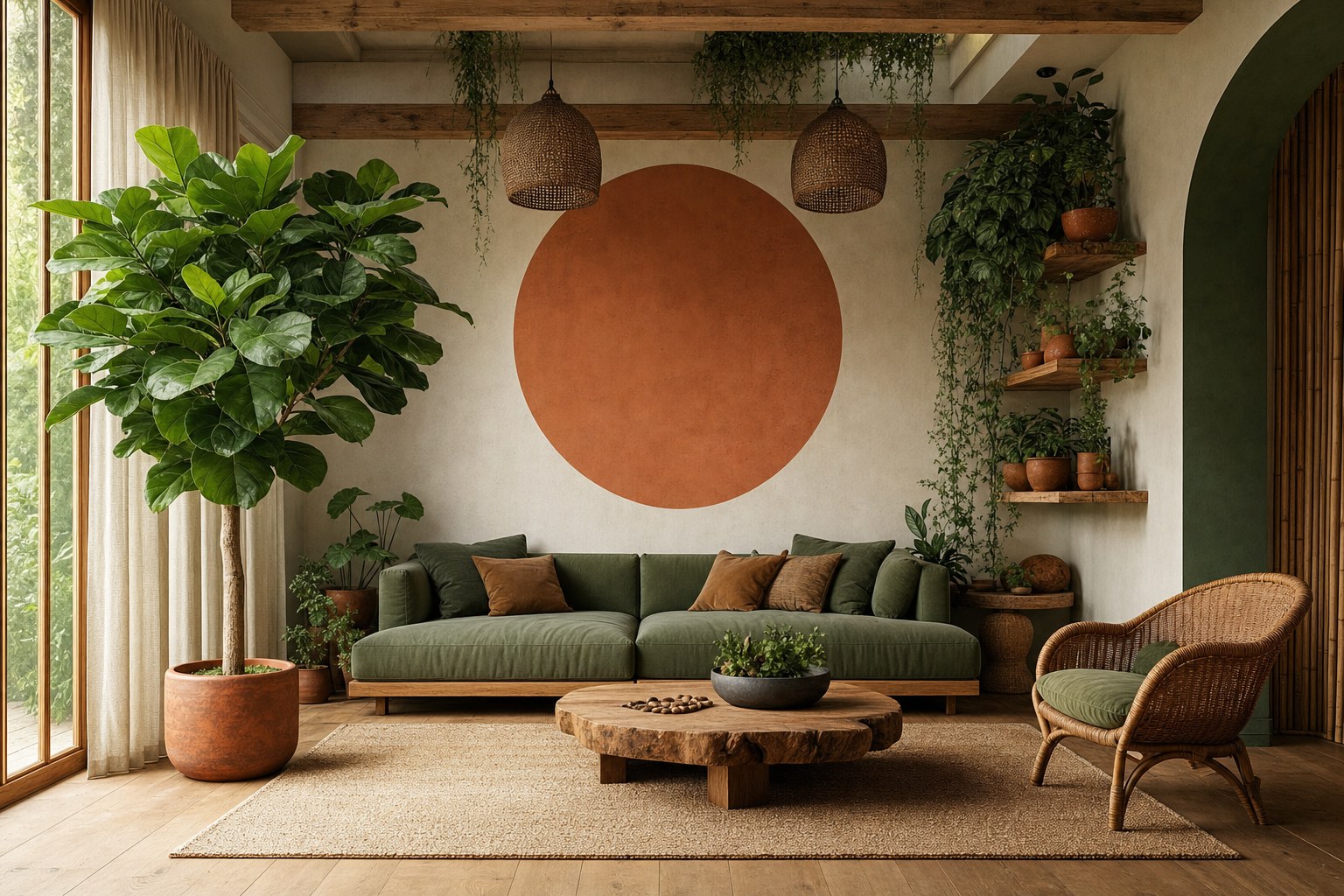
Pantone's 2025 Color of the Year - Mocha Mousse (17-1230) - landed exactly where warm minimalism was already heading. The palette that defines the current moment runs from cinnamon through terracotta, sage, and cream. Minimalism in 2025 is gravitating toward warmer, more nature-inspired tones. Searches for warm minimalism rose 108% year-over-year. The style is no longer a niche qualifier - it is the dominant direction.
The direction is clear: "Minimalism is the dominant design aesthetic of 2025, but it has evolved far beyond the cold, sparse rooms of the 2010s - today's minimalism is warm, tactile, and deeply personal." Five principles govern how that gets built.
The Color Foundation · Warm Before White
One anchor neutral. One warm accent. One textural base. That is the whole palette formula - three decisions, not thirty.
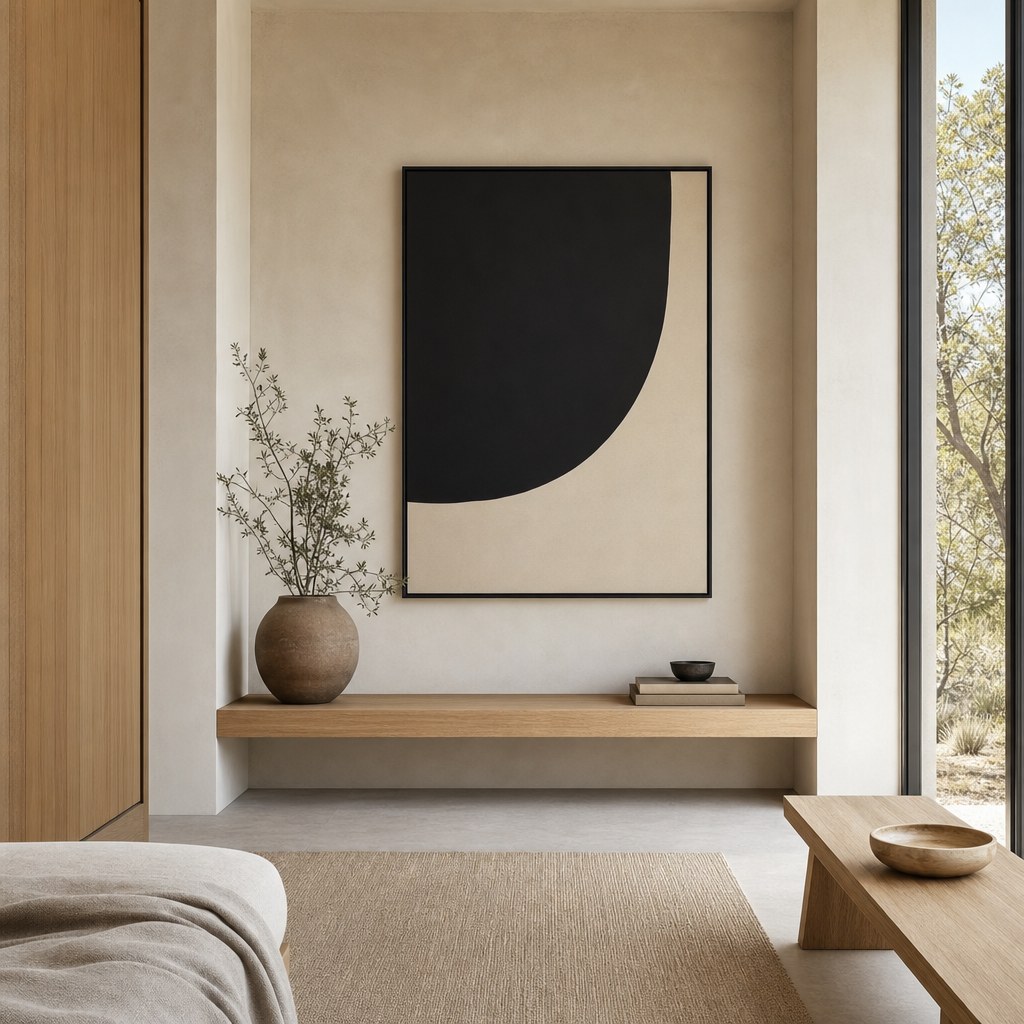
Warm whites - cream, oat, alabaster - reflect light differently than cool whites. They read soft instead of clinical. The wall color sets the temperature for every other decision in the room: warm walls make warm-toned wood look intentional; cool walls make it look like a mismatch. Classicico Antico (Asian Paints) works for its textured, warm-white finish - "it gives the wall dimension without pattern."
The Light Layer · Three Sources, No Overheads
In a north-facing apartment, lighting is structural, not decorative. Three sources. Overheads off after 6pm.
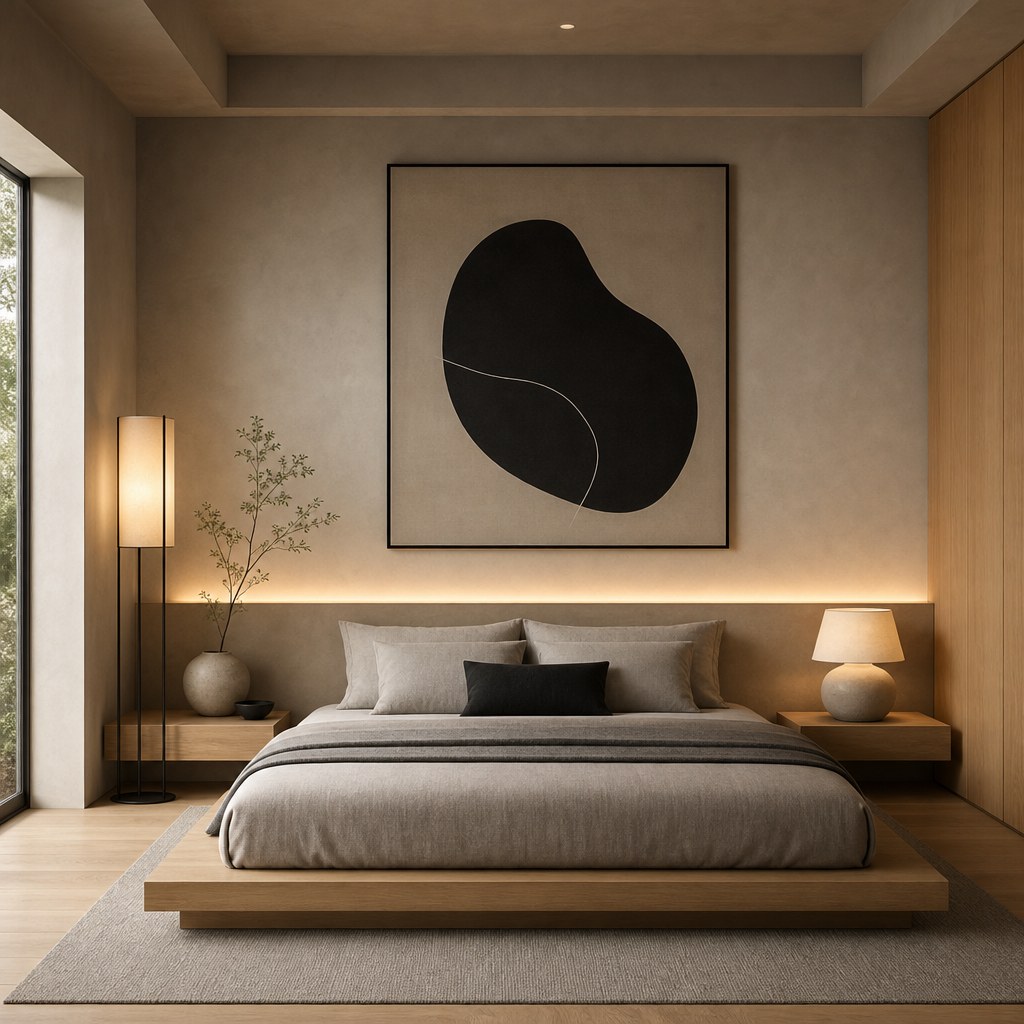
The rule for lighting is to treat it as a focal point rather than a utility: layer multiple sources at varying heights to create depth and visual interest in your minimalist space. Sheer linen curtains over windows - not blackout, not bare - diffuse natural light into the soft, even quality minimalist rooms photograph well in. The SheerLuxe renovation showed shou sugi ban walls alongside polished concrete floors and faux concrete worktops - all three read entirely differently under 2700K warm light than under cool overheads.
The Furniture Edit · One Good Piece Over Many
The 30-piece rule: a minimalist room contains 30 items maximum, including every object on every surface. Count before buying anything.
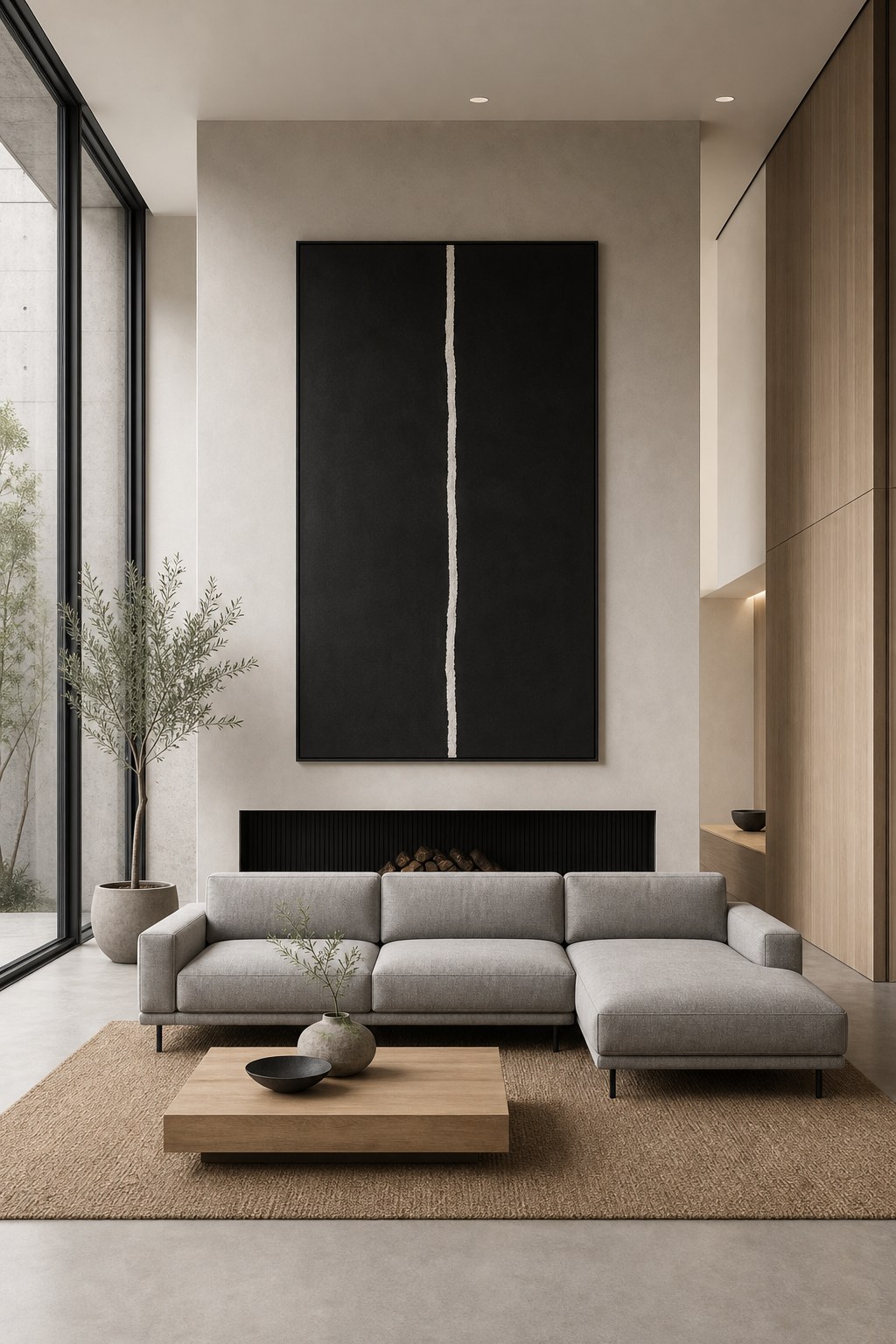
"Clean workstation, clean mind" is the operating principle behind every storage decision in a well-executed minimalist home. Natural Brazilian hardwood ceiling panels and Kurara marble countertops are high-investment examples of the same logic - one high-quality material does more for a room than three medium-quality ones. The operational rule: keep only the furniture that serves a purpose and brings you joy. 71% of homeowners report decluttering as the first action they take in any room renovation.
The Texture Layer · Linen, Oak, and Living Things
Texture does the work that color cannot in a monochromatic room. The contrast between linen and oak is visual interest without noise.
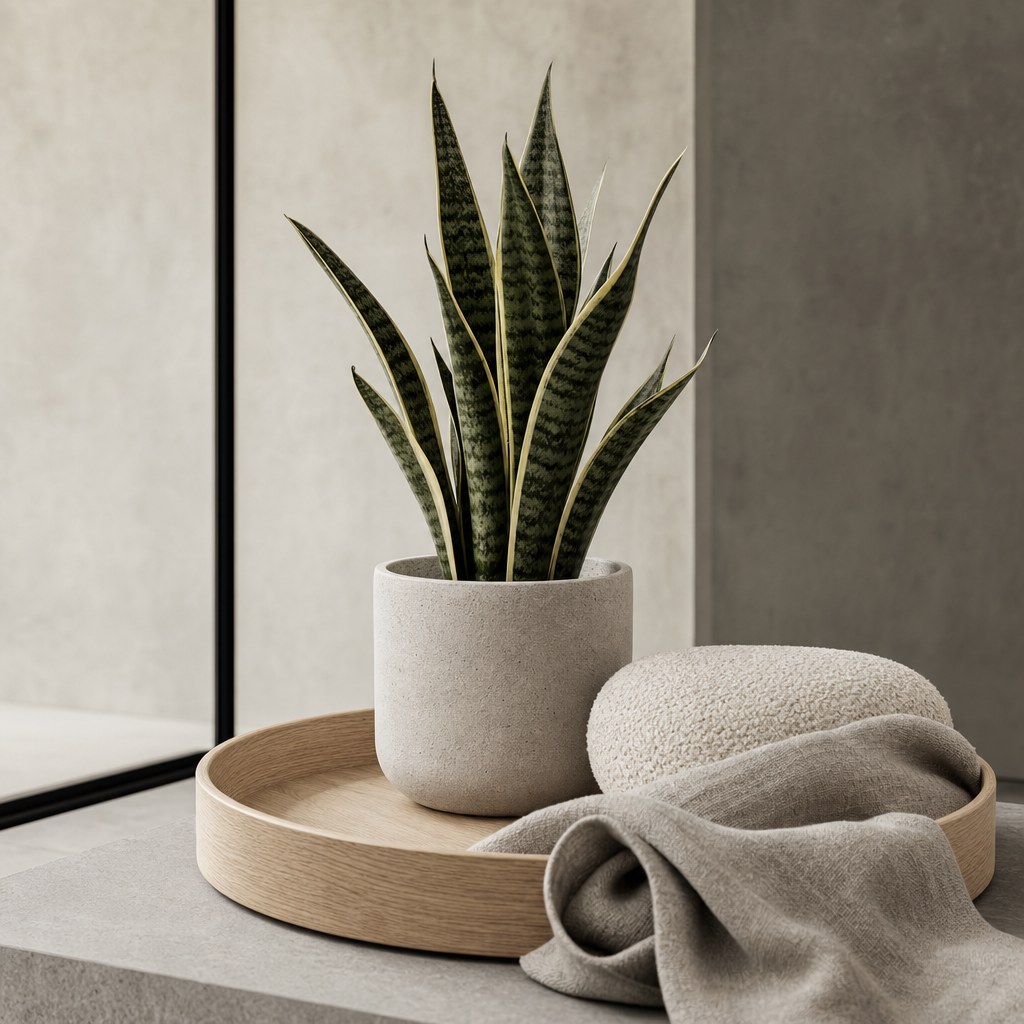
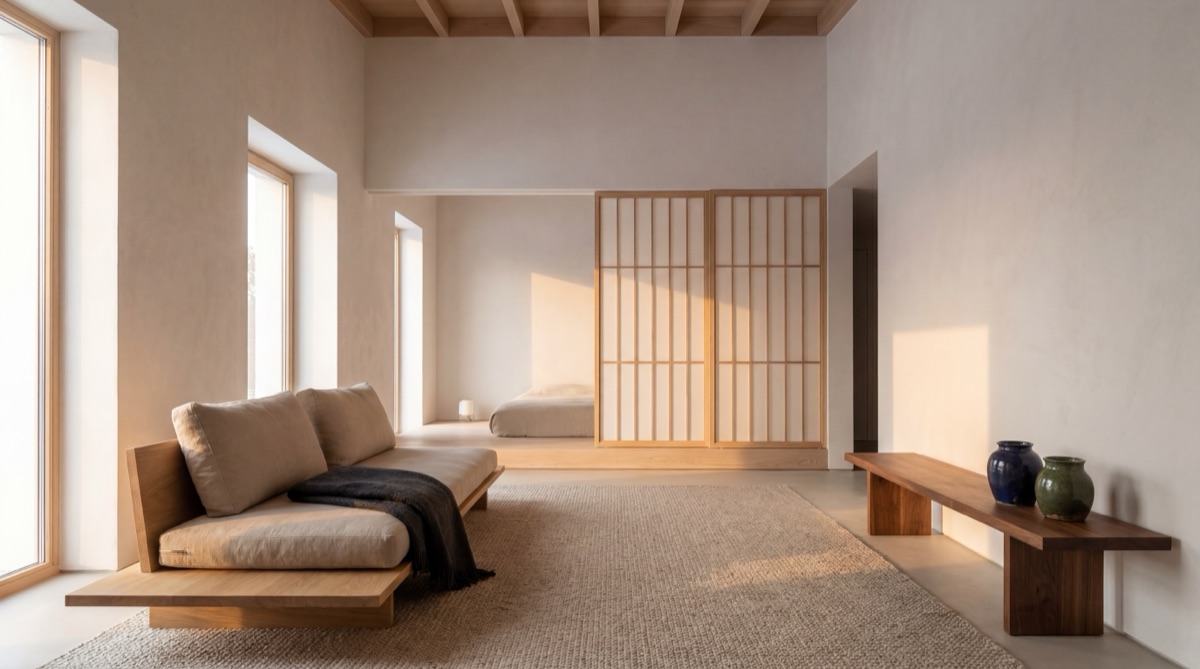
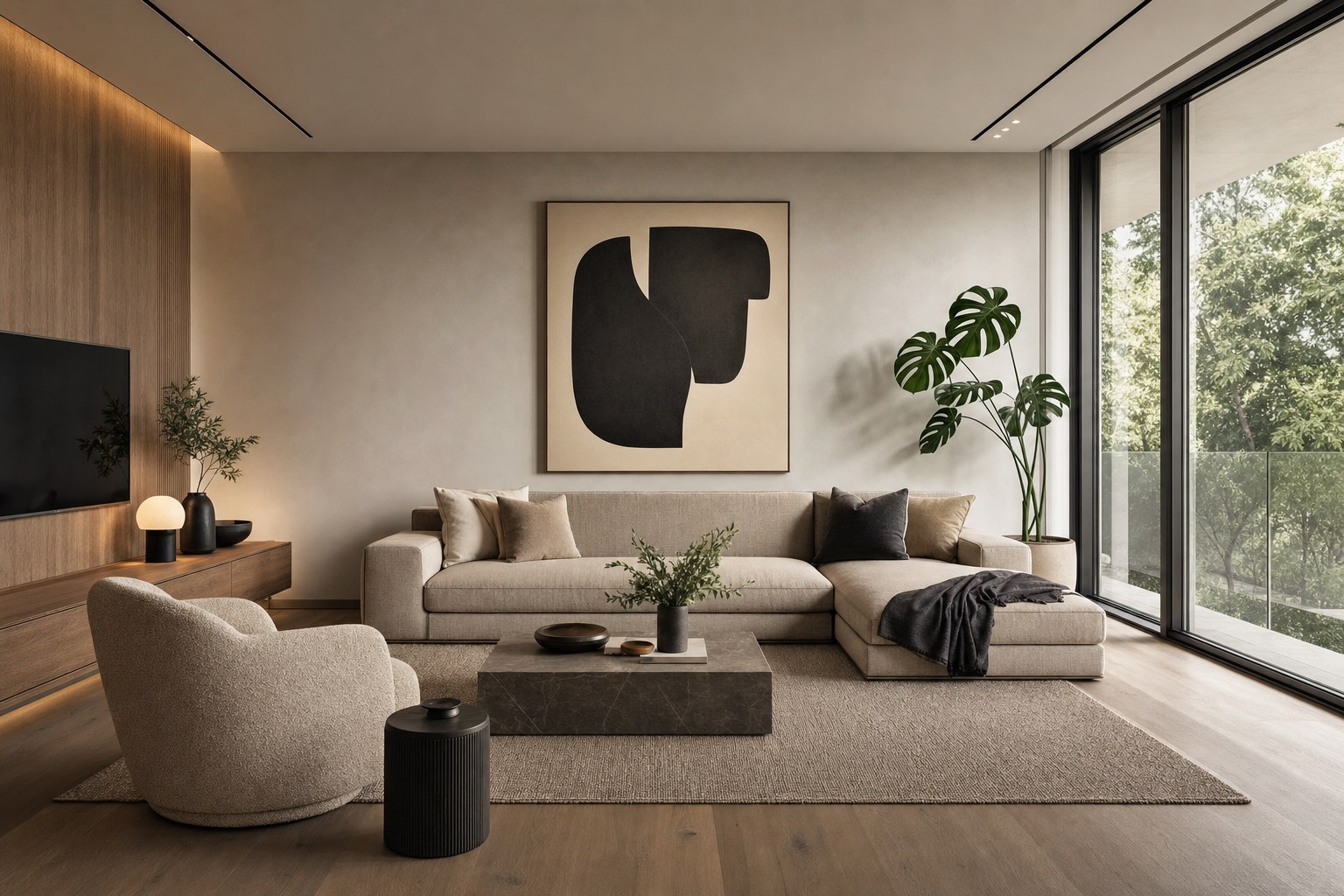
Not everything has to shout to be beautiful. Light, texture, and nature are the constants. At the high end, this principle extends to crossorn oak wall cladding, polished concrete floors, and faux concrete worktops: all are textural anchors in a room with no pattern whatsoever. At the accessible end, the same logic lands in linen upholstery versus velvet, a jute rug versus flat-weave synthetic, raw wood versus painted MDF. The contrast is what matters, not the price point.
The Negative Space · Blank Space Is a Beautiful Thing
What gets removed matters as much as what stays. The edit is where minimalism actually lives.
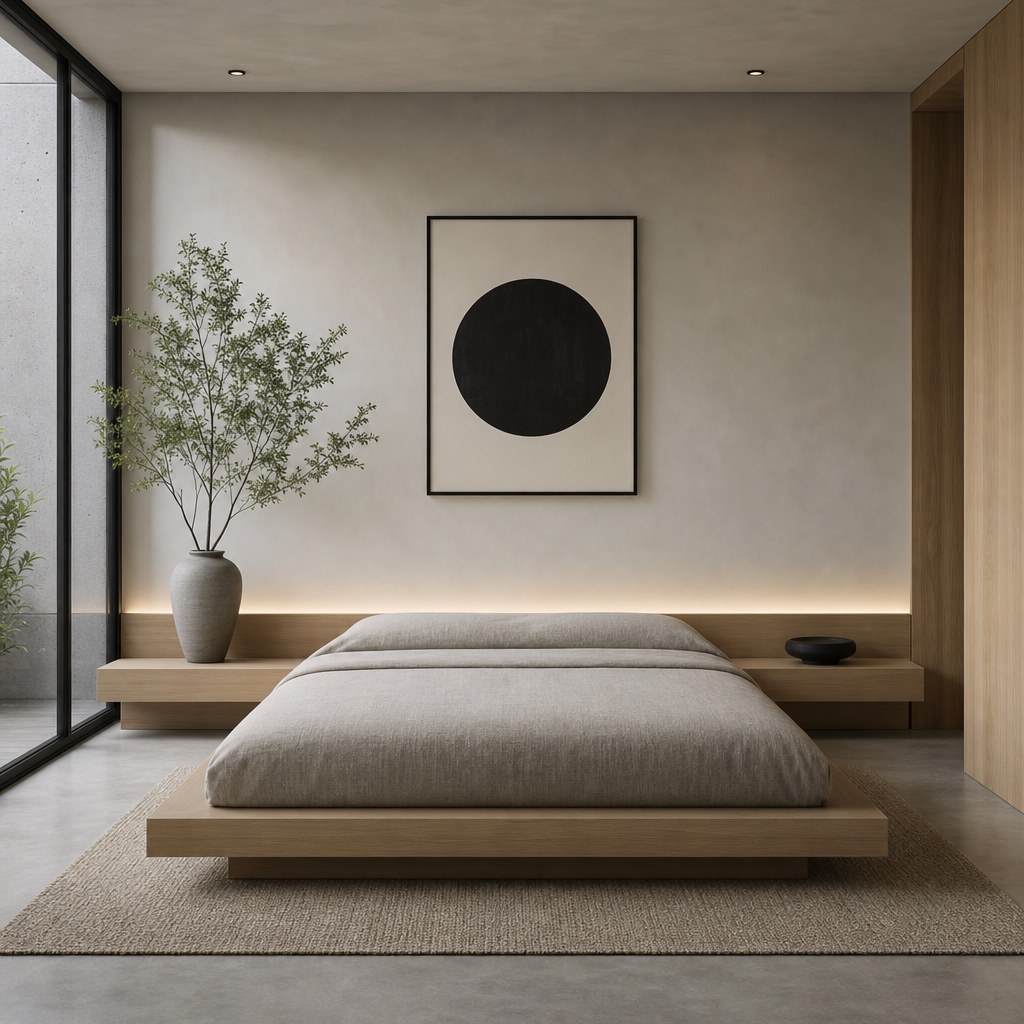
Blank space is a beautiful thing - a principle that resonates across design practice. The sutra dhar formulation: "once you take out the unnecessary, what remains is essential and beautiful." In practice, this means hidden wire management (cable raceways, furniture with built-in cable routing), dedicated storage for everything that would otherwise sit on a surface, and the discipline to put things away before adding anything new.
Warm vs. Cold Minimalism.
The verdict.
Start with the edit, not the add. The 4,724-upvote "Free Me from Greige Minimalism" thread is unanimous: the fastest path to minimalism isn't buying anything - it's removing. Clear one surface first. Then one room. Add warmth after the edit lands.
The Pantone Mocha Mousse palette, the boucle cushion, the linen throw - all of those land better in a room that has already been edited down to its essential pieces. Texture without negative space is just more stuff. Negative space without texture is the cold minimalism Community sentiment rejected. The five principles work as a system.
The 30-piece rule is the most concrete starting point: count every object in the room, including items on every shelf, before deciding what to add.
Frequently asked
How do I add warmth to a minimalist room without making it feel cluttered?
Texture is the mechanism, not color alone. Linen throws, a jute rug, boucle cushions, and a low wood coffee table add warmth through material contrast without adding visual noise. Keep to three materials maximum per room, anchor the palette in warm neutrals (cream, oat, caramel), and let negative space carry the rest. The goal is rooms that feel textural, not busy.
What separates minimalist design from just boring?
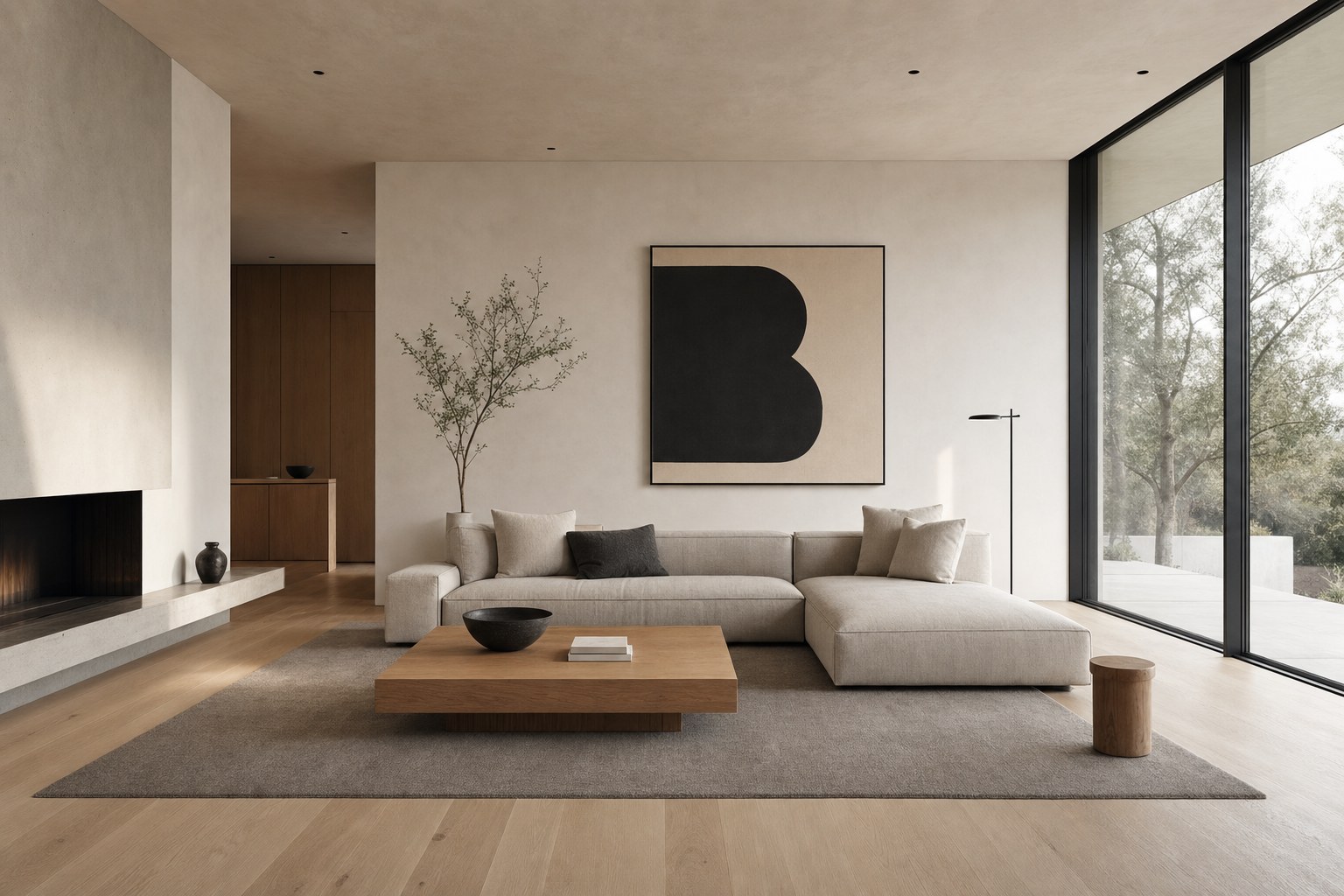
One high-contrast moment. Minimalism done well has hierarchy: a dark accent chair in a cream room, a single oversized artwork, a raw-edge wood table against a smooth wall. The phrase for it is "the one piece that finishes the room." If every surface is the same tone and every piece the same scale, the room reads flat. Restraint applied deliberately creates tension; restraint applied everywhere creates nothing.
What are the best sofa brands for minimalist style?
At the mid-range, Article (the Sven and the Atom), Muji, and CB2 surface consistently. All three offer clean lines, solid-tone upholstery, and leg-to-floor proportions that expose the floor - crucial for the light-and-space effect minimalism depends on. West Elm's Hamilton and Relay sectionals work at slightly lower prices. For investment-level pieces, Hay and Gubi are the European benchmarks.
Can minimalist interior design work on a budget?
The edit is free. Most threads identify the first move as removing, not buying - clearing surfaces, donating 30-40% of furniture, returning pieces that don't earn their space. After the edit, one anchor piece (a solid-tone sofa, a natural-fiber rug, a jute basket set) does more work than ten smaller accessories. Budget minimalism is restraint in purchasing, not restriction in quality.
How do I create a cozy minimalist bedroom?
Three things: warm lighting (warm LED strips at or below 2700K behind the headboard, one ceramic table lamp on the nightstand), linen bedding in oat or cream, and nothing on the nightstand except one book and one lamp. The cozy minimalist bedroom has texture (linen, wood, possibly boucle) and zero surface clutter. Remove the phone charger from the nightstand and replace it with a basket below.
What one piece finishes a minimalist room?
An anchor rug, sized correctly. Rugs USA, Loloi, and Jaipur surface consistently as top picks. Living room sizing: front legs on the rug. Bedroom sizing: full rug under the bed with 12-18 inches of exposure on all sides. Natural fibers - jute, sisal, wool - work in warm minimalist rooms better than synthetics. This is the single most-cited room-finisher.
Want your room next?
One issue every Sunday. Tell us your city and salary - we will design your room with it.